
Nose puns are catching on in 2026 as a light and playful way to bring instant laughter into everyday conversations. From clever wordplay to simple jokes, these lines fit perfectly into your social media captions, chats, and casual moments.
I love how a quick nose joke can brighten the mood and turn an ordinary line into shared humor and easy laughter. Whether you enjoy witty one-liners, relatable funny captions, or short bursts of comedy, these nose puns suit students, friends, and anyone who enjoys clever expressions.
If you want quick, clean laughs that feel natural and shareable, these witty nose jokes will do the job. Let’s explore the funniest ones you’ll enjoy passing along.
Nose puns one liners
Nose one-liner puns deliver quick facial feature humor using short, clever lines about nose-related situations. They are perfect for fast laughs and captions.
- Why did the nose stay alert? It tracked every scent signal.
- Why did the nose feel proud? It led the way in smell detection.
- Why did the nose stay busy? It handled airflow processing.
- Why did the nose get attention? It stood at the center of facial expression.
- Why did the nose stay calm? It maintained balanced breathing.
- Why did the nose work hard? It filtered incoming particles.
- Why did the nose stay sharp? It improved sensory awareness.
- Why did the nose perform well? It supported respiratory function.
- Why did the nose remain important? It enabled smell recognition.
- Why did the nose stay active? It continuously processed air intake.
- Why did the nose guide decisions? It followed instinctive cues.
- Why did the nose stay functional? It maintained healthy airflow.
- Why did the nose adapt easily? It responded to environmental changes.
- Why did the nose stay reliable? It consistently supported breathing.
- Why did the nose remain essential? It contributed to sensory perception.
Nose puns captions
Nose caption puns are short and catchy lines designed for social media posts, combining humor and relatability with nose-themed wordplay.
- Why did the nose post online? To share its best angles.
- Why did the nose smile in captions? It felt confident and centered.
- Why did the nose stay trending? It had unique features.
- Why did the nose get likes? It delivered relatable expressions.
- Why did the nose appear in photos? To complete the look.
- Why did the nose add captions? To enhance visual storytelling.
- Why did the nose stay active? It maintained a social presence.
- Why did the nose gain attention? It stood out in self-expression.
- Why did the nose follow trends? To stay relevant in style.
- Why did the nose caption selfies? To highlight facial focus.
- Why did the nose engage viewers? It supported natural aesthetics.
- Why did the nose share posts? To connect through visual identity.
- Why did the nose remain popular? It contributed to overall appearance.
- Why did the nose write captions? To add personality to posts.
- Why did the nose enjoy captions? They made content more expressive.
Cute nose puns
Cute nose puns focus on light, friendly humor that highlights adorable facial expressions and everyday interactions in a gentle tone.
- Why did the nose smile? It felt happy and relaxed.
- Why did the nose make friends? It loved sharing moments.
- Why did the nose wave? To greet with a friendly expression.
- Why did the nose stay cheerful? It enjoyed positive vibes.
- Why did the nose help others? It supported natural breathing.
- Why did the nose shine? It added charm to facial features.
- Why did the nose stay calm? It maintained steady airflow.
- Why did the nose laugh? It reacted to light humor.
- Why did the nose stay closed? It was central to facial balance.
- Why did the nose feel loved? It played an important role in appearance.
- Why did the nose stay gentle? It blended with natural expressions.
- Why did the nose glow? It enhanced the overall look.
- Why did the nose remain kind? It contributed to friendly expressions.
- Why did the nose stay happy? It was part of everyday life.
- Why did the nose enjoy attention? It helped define personal style.
Seen This: The Ultimate Guide to Understanding Geology
Nose puns dirty
These light “nose puns dirty” stay within clean humor boundaries, using playful and suggestive wordplay without explicit content.
- Why did the nose feel overwhelmed? It handled too many strong scents.
- Why did the nose react quickly? It detected a sharp aroma.
- Why did the nose need a break? It experienced sensory overload.
- Why did the nose turn red? It faced intense stimulation.
- Why did the nose stay cautious? It avoided overexposure to smells.
- Why did the nose slow down? It needed to filter incoming air.
- Why did the nose feel uncomfortable? It encountered a strong odor.
- Why did the nose recover fast? It adjusted to environmental input.
- Why did the nose get attention? It reacted to a noticeable scent.
- Why did the nose behave differently? It processed unexpected signals.
- Why did the nose take a pause? It balanced sensory input.
- Why did the nose stay alert? It monitored air quality changes.
- Why did the nose improve? It adapted to varying conditions.
- Why did the nose respond instantly? It recognized strong triggers.
- Why did the nose maintain control? It regulated breathing responses.
Funny nose puns
Funny nose puns combine everyday humor and relatable situations, making them widely appealing and easy to understand.
- Why did the nose join a party? To enjoy fresh air.
- Why did the nose go outside? To explore new scents.
- Why did the nose stay busy? It managed constant airflow.
- Why did the nose laugh? It found something light and amusing.
- Why did the nose get attention? It stood out in facial features.
- Why did the nose keep working? It supported breathing needs.
- Why did the nose act important? It played a key role in smell detection.
- Why did the nose stay active? It processed air intake continuously.
- Why did the nose feel useful? It helped identify different scents.
- Why did the nose remain central? It has a balanced facial structure.
- Why did the nose stay alert? It reacted to environmental changes.
- Why did the nose perform well? It ensured proper respiration.
- Why did the nose stay steady? It maintained consistent function.
- Why did the nose adapt easily? It handled varied conditions.
- Why did the nose succeed daily? It supported basic human functions.
Short nose puns
Short nose puns deliver quick facial humor using minimal words while focusing on nose-related expressions and everyday situations. They are ideal for captions and fast jokes.
- Why did the nose stay short and simple? It preferred quick expressions.
- Why did the nose act fast? It handled instant airflow.
- Why did the nose stay small? It fits perfectly in facial balance.
- Why did the nose remain neat? It supported clean features.
- Why did the nose move quickly? It reacted to scent signals.
- Why did the nose stay focused? It processed sensory input.
- Why did the nose stay calm? It maintained steady breathing.
- Why did the nose remain useful? It helped with smell detection.
- Why did the nose stay active? It managed air intake.
- Why did the nose look simple? It blended with natural structure.
- Why did the nose perform well? It ensured efficient function.
- Why did the nose stay relevant? It contributed to daily breathing.
- Why did the nose adapt easily? It responded to environmental changes.
- Why did the nose stay steady? It maintained consistent output.
- Why did the nose remain important? It supported basic senses.
Runny nose puns
Runny nose puns focus on temporary conditions and common experiences, using light humor around nose-related health situations.
- Why did the nose start running? It encountered a seasonal change.
- Why did the nose need tissues? To manage excess moisture.
- Why did the nose feel active? It responded to allergy triggers.
- Why did the nose slow down? It needed to control airflow balance.
- Why did the nose stay busy? It handled continuous drainage.
- Why did the nose react quickly? It detected irritants in the air.
- Why did the nose feel uncomfortable? It adjusted to environmental conditions.
- Why did the nose improve? It adapted to better air quality.
- Why did the nose take a break? It required rest and recovery.
- Why did the nose get attention? It showed temporary changes.
- Why did the nose stay alert? It monitored external particles.
- Why did the nose behave differently? It responded to seasonal factors.
- Why did the nose recover fast? It restored normal function.
- Why did the nose maintain balance? It regulated fluid levels.
- Why did the nose return to normal? It stabilized its natural state.
Red nose puns
Red nose puns highlight color-based expressions and common situations where the nose appears red due to environmental or emotional factors.
- Why did the nose turn red? It reacted to cold conditions.
- Why did the nose glow? It stood out in facial features.
- Why did the nose feel warm? It experienced temperature changes.
- Why did the nose get noticed? Its color variation was visible.
- Why did the nose stay bright? It reflected external conditions.
- Why did the nose change color? It responded to environmental factors.
- Why did the nose attract attention? It enhanced visual contrast.
- Why did the nose remain expressive? It contributed to facial signals.
- Why did the nose stand out? It added uniqueness to appearance.
- Why did the nose stay active? It continued normal breathing functions.
- Why did the nose adjust quickly? It balanced internal responses.
- Why did the nose recover? It returned to its normal tone.
- Why did the nose stay noticeable? It played a role in visual identity.
- Why did the nose maintain presence? It supported overall expression.
- Why did the nose remain important? It contributed to facial aesthetics.
Seen More: Kidney Puns That People Can’t Ignore
Nose surgery puns
Nose surgery puns relate to medical procedures and recovery, focusing on functional and structural improvements in a light, informative tone.
- Why did the nose go to surgery? To improve its structure and function.
- Why did the nose recover so well? It followed a proper healing process.
- Why did the nose get adjusted? To enhance breathing efficiency.
- Why did the nose change shape? To support better alignment.
- Why did the nose take rest? It needed post-procedure recovery.
- Why did the nose feel better? It improved airflow capacity.
- Why did the nose stay monitored? It ensured safe healing.
- Why did the nose improve performance? It optimized internal structure.
- Why did the nose require care? It was part of a medical procedure.
- Why did the nose stabilize? It completed the recovery phase.
- Why did the nose function better? It achieved correct alignment.
- Why did the nose remain important? It supported respiratory health.
- Why did the nose get attention? It underwent clinical evaluation.
- Why did the nose heal properly? It followed medical guidance.
- Why did the nose return to normal? It completed post-surgery recovery.
Nosebleed puns
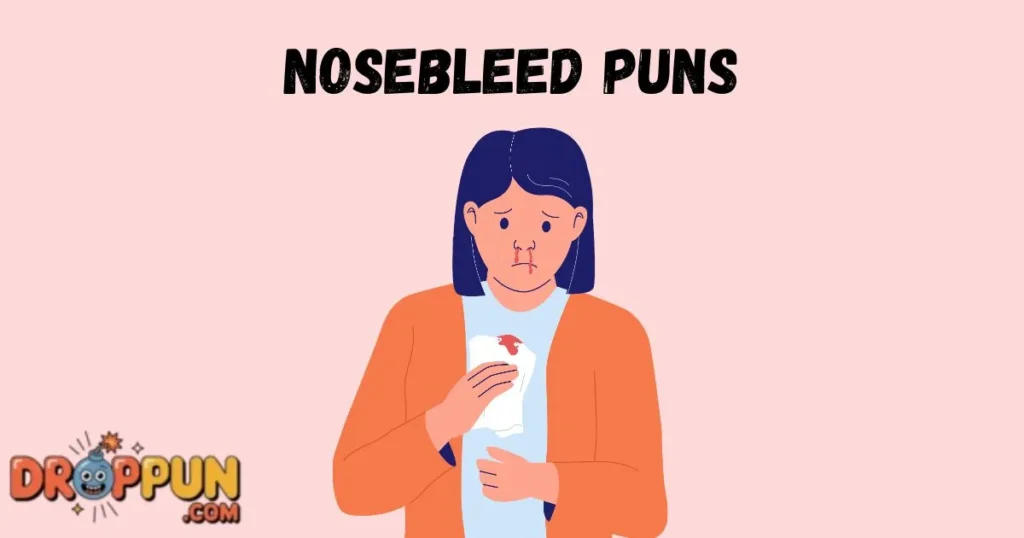
Nosebleed puns reference height, intensity, or sudden reactions, using metaphorical humor rather than literal descriptions.
- Why did the nose feel overwhelmed? It experienced high intensity.
- Why did the nose react suddenly? It encountered a strong trigger.
- Why did the nose need attention? It showed a temporary response.
- Why did the nose pause activity? It required careful handling.
- Why did the nose stay alert? It monitored internal changes.
- Why did the nose calm down? It stabilized its response level.
- Why did the nose improve? It returned to normal function.
- Why did the nose get checked? It ensured overall well-being.
- Why did the nose adjust quickly? It adapted to physiological signals.
- Why did the nose remain steady? It maintained balance and control.
- Why did the nose respond fast? It detected sudden changes.
- Why did the nose stay safe? It followed proper care routines.
- Why did the nose recover? It regained stable condition.
- Why did the nose stay monitored? It ensured proper functioning.
- Why did the nose normalize? It completed its recovery process.
Nose ring puns
Nose ring puns focus on accessories, style, and personal expression, blending fashion-related humor with nose-themed wordplay. They highlight how small details can enhance appearance and identity.
- Why did the nose wear a ring? To enhance its style statement.
- Why did the nose ring shine? It reflected personal fashion.
- Why did the nose choose a ring? To express individual identity.
- Why did the nose ring stand out? It added visual appeal.
- Why did the nose feel confident? It had a unique accessory look.
- Why did the nose ring get noticed? It improved the overall aesthetics.
- Why did the nose keep the ring? It supported style consistency.
- Why did the nose ring match outfits? It complemented fashion choices.
- Why did the nose upgrade its ring? To refresh its appearance.
- Why did the nose ring stay popular? It aligned with modern trends.
- Why did the nose wear it daily? It became part of its signature look.
- Why did the nose ring attract attention? It highlighted facial features.
- Why did the nose embrace the ring? It enhanced personal expression.
- Why did the nose ring remain stylish? It suited contemporary design.
- Why did the nose enjoy the ring? It boosted confidence and style.
Read This: Ear Puns That Are Simply Hear-larious
Nose name puns
Nose name puns use creative naming and wordplay based on the word “nose,” forming fun and memorable identity-based humor.
- Why did the nose get named “Nora”? It sounded like natural airflow.
- Why did the nose answer to “Noah”? It matched a simple identity.
- Why did the nose go by “Scentra”? It focused on smell detection.
- Why did the nose like “Nasira”? It reflected facial uniqueness.
- Why did the nose choose “Olfy”? It is related to olfactory senses.
- Why did the nose accept “Nosey”? It embraced curiosity traits.
- Why did the nose prefer “Airon”? It symbolized air movement.
- Why did the nose go by “Sniffy”? It represented scent awareness.
- Why did the nose like “Nostin”? It combined name creativity.
- Why did the nose choose “Breatha”? It highlighted breathing function.
- Why did the nose answer “Nosey Lee”? It added a playful identity.
- Why did the nose enjoy “Scento”? It emphasized smell recognition.
- Why did the nose accept nicknames? To reflect personality traits.
- Why did the nose keep unique names? To stand out in creative expression.
- Why did the nose like naming styles? It made its identity more memorable.
Question & Answer Nose Puns
Q&A nose puns present humor in an interactive question-and-answer format, making them engaging and easy to follow while focusing on nose-related concepts.
- Why did the nose go to class? To improve its smell recognition skills.
- Why did the nose stay active? It continuously managed air intake.
- Why did the nose feel important? It supported breathing functions.
- Why did the nose get attention? It played a key role in facial structure.
- Why did the nose remain useful? It enabled sensory perception.
- Why did the nose stay alert? It detected environmental changes.
- Why did the nose perform well? It maintained steady airflow.
- Why did the nose adapt easily? It responded to external conditions.
- Why did the nose stay balanced? It regulated respiratory activity.
- Why did the nose continue working? It supported daily functions.
- Why did the nose improve? It enhanced functional efficiency.
- Why did the nose remain central? It contributed to overall expression.
- Why did the nose stay reliable? It ensured consistent performance.
- Why did the nose help daily? It assisted in basic human processes.
- Why did the nose stay relevant? It remained essential for health and senses.
Knock knock Nose Puns
Knock knock nose puns combine the classic interactive joke format with nose-themed humor, making them fun, simple, and engaging for readers.
- Knock, knock!
Who’s there? Nose.
Nose who? Nose you’ve been waiting for a funny joke! - Knock, knock!
Who’s there? Smell.
Smell who? Smell you later, enjoy the fresh jokes! - Knock, knock!
Who’s there? Air.
Air who? Are you ready for another nose pun? - Knock, knock!
Who’s there? Scent.
Scent who? Scent you a smile yet? - Knock, knock!
Who’s there? Nostril.
Nostril who? Nostril is your favorite joke today! - Knock, knock!
Who’s there? Breath.
Breath who? Breath easy, more puns are coming! - Knock, knock!
Who’s there? Sniff.
Sniff who? Sniff you can guess this joke! - Knock, knock!
Who’s there? Airflow.
Airflow who? Airflow you ready for more laughs? - Knock, knock!
Who’s there? Odor.
Odor who? Do you mind another nose pun? - Knock, knock!
Who’s there? Nasal.
Nasal who? Nasal you glad you read this far?
Conclusion
With these nose puns, you’ll always have a light and clever way to spark laughter and add a playful touch of humor to everyday conversations. From witty wordplay and quick jokes to catchy captions and fun one-liners, this collection helps you keep things engaging and memorable.
I often use these nose puns in chats and posts, and they never fail to lift the mood. Save your favorite puns, share them with friends, and use them to spread joy, because a bit of simple humor can make daily moments more positive and enjoyable.
FAQS About Nose Puns
Q1: What are the funniest nose puns?
Nose puns are clever wordplays based on the nose, smell, and facial humor. Examples include “I nose you’re awesome” and “Follow your nose.” Perfect for social media captions, jokes, and lighthearted content.
Q2: How can I use nose puns on social media?
Use nose puns in short captions, memes, or Instagram stories. Pair a pun like “I nose what I’m doing” with a selfie or funny image to boost likes, shares, and engagement.
Q3: Are there family-friendly nose puns for kids?
Yes! Kid-friendly nose puns include “You nose it!” or “Keep your nose to the grindstone.” These are great for school activities, classroom fun, and safe humor.
Q4: Can nose puns be used for marketing or branding?
Absolutely! Brands, blogs, and creative pages use nose puns to make posts, ads, and campaigns more memorable. A pun like “Trust your nose” helps improve audience engagement and brand recall.
Q5: How do I create my own nose puns?
Start with nose-related words like smell, sniff, or scent, then combine them with idioms, rhymes, or common phrases. Experiment with wordplay to create unique, fun, and shareable puns.

I’m Aria, Admin of theDroppun , I pick the best puns and polish every punchline. I’m here to keep the fun flowing daily.

![340+ Sea Puns That’ll Make Waves of Laughter [2026]](https://droppun.com/wp-content/uploads/2026/04/sea-puns.webp)
![350+ Door Puns That Will Open You Up to Laughter [2026]](https://droppun.com/wp-content/uploads/2026/04/door-puns.webp)
![170+ Bro Puns That Keep the Vibe Fun [2026]](https://droppun.com/wp-content/uploads/2026/04/bro-puns.webp)
![320+ Must-Read Bingo Puns for Game Lovers [2026]](https://droppun.com/wp-content/uploads/2026/04/bingo-puns.webp)
![270+ Ultimate List of Vampire Puns for Laughs [2026]](https://droppun.com/wp-content/uploads/2026/04/vampire-puns.webp)
![220+ Pen Puns That’ll Write You Into Laughter [2026]](https://droppun.com/wp-content/uploads/2026/04/pen-puns.webp)
![270+ Robot Puns That’ll Make You Smile Fast [2026]](https://droppun.com/wp-content/uploads/2026/04/robot-puns.webp)
Leave a Reply